Laura Campanella is worried but hopeful and unafraid to take a stand. It’s a heady blend of emotions the CEO of Brothers Grimm Seeds has been enduring since she heard how the changes in federal law will soon render seeds from high-THC cannabis cultivars illegal to ship across state lines.
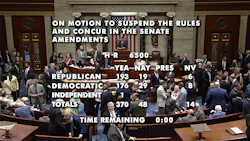
What is often called “the hemp ban,” scheduled to take effect Nov. 12, stipulates, among other things, that seeds from cannabis cultivars that produce flower with more than 0.3% total THC no longer fall under the definition of hemp and, as such, are no longer legal to ship out of state. (The U.S. Senate and U.S. House voted to postpone the federal government’s ban on synthetic, intoxicating hemp THC products until Dec. 11; the extension is now pending President Donald Trump’s signature on the Continuing Appropriations and Extensions Act, 2027, in which the hemp provision was included.)
Because the bill conflates seed genetics with finished psychoactive products, “I’m not sure what the future of Brothers Grimm looks like,” Campanella says of the 30-year-old business that was founded by breeder Rick Campanella, also known as “MrSoul.”
RELATED: US House Offers Intoxicating Hemp Products 4-Week Reprieve From Ban
She isn’t lying down about this this impending shift in seed regulations enacted under the appropriations package passed last year. In the past several months, she has worked with other cannabis seed groups to lobby Washington on how devastating this will be for thousands of cannabis-seed employees across the country. Laura CampanellaPhoto courtesy of Laura Campanella
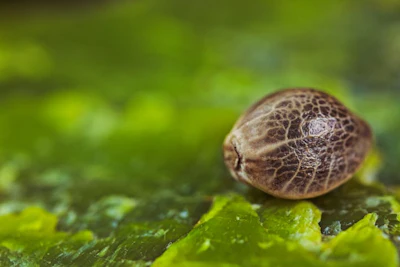
The American Seed Innovation and Growth Alliance acts as a collective of seed businesses and breeders seeking to educate policymakers and the public on “science-based policy that keeps hemp seed genetics distinct from cannabinoid regulation,” the website states. Since seeds, even from cannabis plants that produce more than 0.3% THC, contain little to no THC, they have fit the definition of hemp as defined in the 2018 Farm Bill. This enabled the cannabis seed market to operate under the federally legal hemp umbrella, allowing interstate seed sales, among other benefits.
RELATED: Intoxicating Hemp Product Ban Included in Deal to Reopen Government
Campanella is also being proactive with her business. Brothers Grimm, based in Colorado, is expanding its scope to get around this ban. The seed bank will soon launch a tissue culture company in Oklahoma thanks to the bill’s exact language never mentioning tissue culture or clones.
In an interview with Cannabis Business Times, Campanella shares what motivated her to lobby Washington lawmakers and launch a tissue culture business, and why she’s frustrated to see this hemp provision barely exposed for what it is: a rattling shock to the backbone of the cannabis seed industry.
Editor’s note: This interview has been edited for length and clarity.
David Silverberg: What motivated Brothers Grimm to spread awareness and lobby Washington about the provision in the bill that prohibits out-of-state seed sales?
Laura Campanella: We have retailers in every state, coming in at around 240 retailers altogether. This is our livelihood, and we’ve always followed all the protocols and laws and procedures to ensure we’re following every state law. We’ve been doing everything, and it’s hard to imagine our seeds will be banned.
We got involved because we saw how this has become pretty low on the totem pole for anybody to even be aware of it. We want the language changed about the interstate sale of seeds, and this area should be monitored by the USDA [U.S. Department of Agriculture], just like any other seed.
Silverberg: What do these lobbying efforts look like?
Campanella: We created the alliance to create awareness for this situation and get people up on the Hill talking about our issue. We’ll be heading with our lobbyist to Washington shortly to make our voices heard even louder.
Creating a white paper on what this ban does to seed businesses was important for our alliance. We’ve stressed how this update to the bill is trying to define something for where it came from, or what it might be, instead of what it is, in seed form.
The alliance, too, has brought us together in a way we hadn’t experienced before, so there’s a positive there.
Silverberg: Why do you think the cannabis industry remains largely oblivious to the impending disruption of the interstate genetics market?
Campanella: I'll get a breeder on the phone, or a retailer, and they have no idea about the seed ban. It's been kind of swept under the rug a little bit. When I look at the rationale from the government’s side, I feel like it comes down to a lack of knowledge about our industry.
Silverberg: You switched focus to tissue culture and clones to get around the seed ban, but if the definition of hemp is to expand the calculation of THC to include total THC, including THCA, how would tissue culture or clones get around this?
Campanella: Thing is, tissue culture and clones aren’t mentioned at all in the bill. We are breeders who make seeds, and I want us to be vertically integrated, and so that’s why getting into tissue culture had to happen.
You know, some people I've talked to in the seed industry, they're just going to keep going as usual. Personally, I don’t want to take that risk. Getting into tissue culture is a new avenue to learn; it’s a big learning curve, and it takes a lot of dedication. I’ve been learning about tissue culture and clones for the past seven months, working around 20 hours a day.
Silverberg: What would you recommend for other seed businesses to do who may be alarmed about what’s happening in November?
Campanella: They should contact their retailers and make connections with cultivators in each state, in states that aren’t against the sale of hemp or cannabis seeds. Find out if you can partner with someone there who can grow your genetics.
Also, I just have a feeling before [November], I think we’re going to prevail. I think we’re the generation to make this change and break the cycle of lawmakers doing things to our industry that could really hurt our businesses. Ocifer cultivar bred by Brothers Grimm SeedsPhoto courtesy of Brothers Grimm Seeds
Silverberg: What is the best-case scenario you’d like to see play out before[November]?
Campanella: The concern with the current language [in the bill] is that a viable seed can contain essentially no measurable THC itself, yet its legal status could be determined by the THC concentration of the plant it came from. For breeders and seed companies, that creates an enormous problem because we are no longer regulating the product that is actually being possessed, shipped or sold. We are regulating its genetic potential.
I would like to see Congress specifically protect viable seeds, breeding stock and legitimate genetics programs, provided the material itself meets an appropriate THC standard. Seeds should be regulated based on what is physically present in the seed, not what a plant grown from that seed might eventually produce months later.
I would also like to see a clear federal pathway for licensed breeders, hemp growers, research facilities and seed companies to continue moving genetics interstate. If additional registration, testing, labeling, chain-of-custody or licensing requirements are necessary, the legitimate industry can work with that. What we cannot realistically work with is a policy that effectively turns established seed companies and breeding programs into controlled-substance businesses overnight.
Ultimately, I would like to see policy that protects consumers while also protecting American plant breeding, agricultural research and genetic diversity. The United States has spent years developing an incredible cannabis genetics industry. We should be creating a regulatory framework that allows responsible breeders and seed companies to operate transparently, not creating a situation where those genetics, businesses and decades of breeding work are driven underground or lost entirely.
David Silverberg is a freelance journalist who writes about cannabis and the cannabis industry.