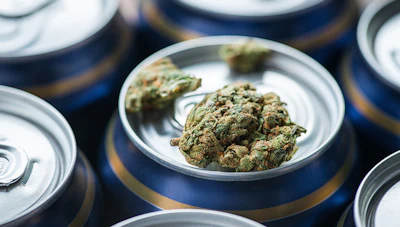

Washington Mayor Muriel Bowser is hoping to solve a medical cannabis manufacturing bottleneck by allowing alcohol companies to produce THC-infused drinks for sale at licensed dispensaries in the nation’s capital.
The democratic mayor requested the legislation, the Medical Cannabis Beverage Product Amendment Act of 2026, which District of Columbia Chairman Phil Mendelson filed on April 2 on her behalf.
Under the proposal, Washington’s local breweries and distilleries could partner with licensed medical cannabis manufacturers to produce cannabis-infused, alcohol-free beverages under an endorsement agreement that restricts the sales of those products to qualifying patients or caregivers through the city’s licensed dispensaries.
Direct-to-consumer sales from breweries, distilleries or traditional retail outlets, like grocery stores, bars and restaurants, would remain strictly prohibited, according to Bowser. All beverage products would need to be tested by a licensed laboratory before distribution.
“This is an opportunity to support two local industries and to keep business in D.C.,” the mayor said. “We have fantastic local brewers and distillers in our city, we have a robust medical cannabis market, and this is a new opportunity for those two markets to collaborate and create a safe and smoke-free alternative for patients in D.C.”
Under the medical cannabis beverage production endorsement, breweries and distilleries would need to pay a $500 annual licensing fee, allowing them to receive cannabis or THC from a medical cannabis manufacturer, produce the beverage products with the cannabis or THC received, and then deliver the products back to the licensed cannabis manufacturer that supplied the cannabis or THC.
The proposal would levy a 6% sales tax on these products at retail, with the generated tax revenue deposited into the city’s general fund.
“It makes sense to allow partnerships between the district’s medical cannabis and alcohol manufacturing industries to produce medical cannabis beverages,” said Fred Moosally, director of the city’s Alcoholic Beverage and Cannabis Administration. “Providing a legal pathway for our local breweries and distilleries to utilize their expertise in beverage production is the logical next step in maturing D.C.’s medical cannabis marketplace and supporting our local business ecosystem.”
The proposal would also “enhance” the supply chain by allowing licensed medical cannabis manufacturers or cultivators to pay a $1,000 annual fee to import nonintoxicating cannabinoids that comply with federal law to be used exclusively for producing medical cannabis products.
The legislation comes at a time when Washington’s medical cannabis market has expanded despite Congress’ attempt to rein in the district’s legalization policies.
While Washington, D.C., voters passed Initiative 71 in the November 2014 election to legalize adult-use cannabis, U.S. Rep Andy Harris, R-Md., introduced legislation, the “Harris Rider,” in 2015, enacting a federal provision that has effectively blocked the district from taxing and regulating a commercial marketplace for those 21 and older ever since.
President Donald Trump’s fiscal 2027 budget proposal, which was filed with Congress on April 3, retains this annual rider.
But that hasn’t stopped an adult-use sales loophole that Bowser devised in 2022, when she signed an emergency bill allowing all adults 21 years and older to self-certify as medical cannabis patients, with or without a health care provider’s recommendation.
“We know that by bringing more medical marijuana patients into the legal marketplace in a timely manner and doing more to level the playing field for licensed medical marijuana providers, we can protect residents, support local businesses and provide clarity to the community,” the mayor said at the time, addressing unlicensed activity and the voters’ will to expand access to adults.
Later in 2022, Bowser signed legislation allowing non-district residents 21 and older to apply for a temporary registration through self-certification to purchase medical cannabis, too.
While there were just seven licensed medical cannabis dispensaries in the district nearly four years ago, there are now 68 stores serving medical cannabis cardholders and caregivers.